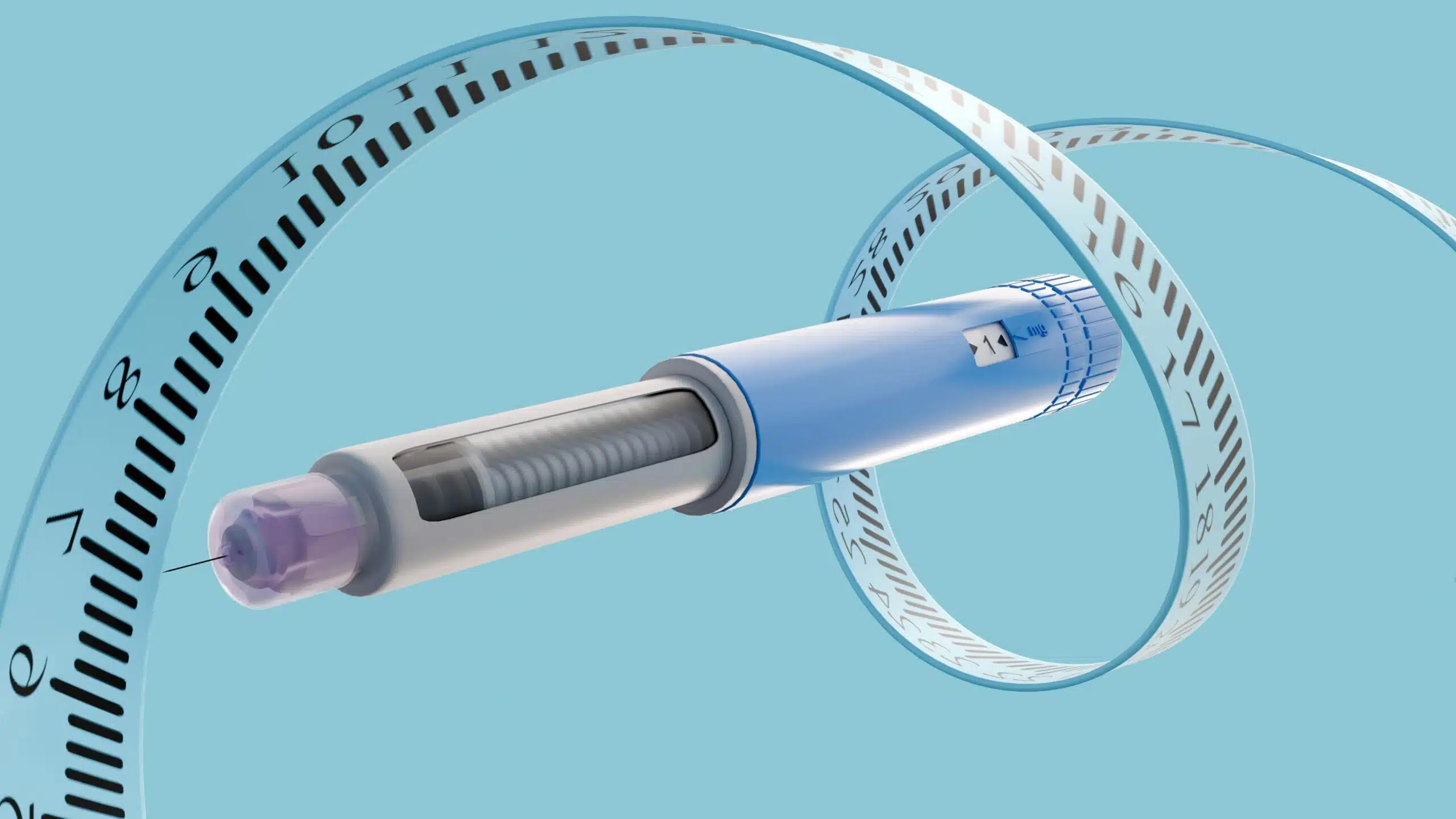
If you’re considering GLP-1 weight loss drugs, you’ve likely seen dramatic success stories. However, you may also have concerns about fatigue, digestive issues, or losing strength along with body weight. These worries are valid and deserve a clear, clinical explanation.
GLP-1 medications can be a helpful tool for weight loss and metabolic health, especially when part of a comprehensive treatment plan. At BodyLogicMD, our providers focus on personalized care, educating you on potential benefits, side effects, and strategies to support lean mass, strength, and long-term results.
GLP-1 Medications in Plain Terms: What They Are and How They Work
GLP-1s are a class of medications called receptor agonists, which act on specific receptors involved in appetite and glucose control. They are often used to treat diabetes and, in some cases, obesity. These medications are typically administered via injection on a schedule recommended by your provider.
GLP-1s support blood sugar control through mechanisms like insulin release when glucose is elevated. This can help lower blood sugar levels after meals and reduce fluctuations. They also slow gastric emptying, meaning food leaves the stomach more slowly, which may influence satiety and food intake.
Because these effects touch appetite, digestion, and metabolism, it’s important to understand both common side effects and the muscle-related conversations happening now.
Why Muscle Health Matters During Rapid Weight Loss
When weight drops quickly, some loss can come from fat and some from lean mass, including muscle. Rapid weight loss increases the likelihood that your body pulls from multiple “stores,” especially if calorie and protein intake are too low. Muscle supports energy, mobility, and resilience, and it’s metabolically active tissue that influences long-term weight maintenance.
Think of muscle as your body’s functional capacity reserve. When that reserve shrinks, workouts can feel harder, daily tasks may become more tiring, and maintaining results can be more difficult. For those working toward preventive care goals, preserving strength aligns with long-term metabolic health.
Do GLP-1 Side Effects Include Muscle Loss?
Can GLP-1 Side Effects Impact Muscle Health?
Some worry about muscle loss because GLP-1 medications can reduce appetite, leading to smaller portions. If total calories and protein drop too low, your body may lack the building blocks to maintain lean mass. Your provider can help you plan nutrition, activity, and dosing to support strength and health.
GLP-1 side effects are often tied to the digestive system, as nausea, constipation, diarrhea, and abdominal pain may affect food choices and protein intake. Feeling full quickly due to slow gastric emptying can lead to eating less overall, unintentionally reducing protein and resistance training fuel. In this sense, the muscle conversation is more about tolerability and nutrition than the medication directly “targeting” muscle.
Your BodyLogicMD provider will consider your diet, activity, body mass index, and goals to build strategies that fit your routine and preferences.
Common Side Effects to Plan For, and When to Seek Care
While many focus on cosmetic headlines like “ozempic face,” safety and quality of life should take priority. Common side effects include nausea, constipation, diarrhea, reflux, and reduced appetite. These may improve as your body adjusts, and some people do better with slow titration, especially when moving to higher doses.
It’s also important to know when to call your provider. Severe upper abdominal pain, persistent vomiting, or intense abdominal pain should be evaluated promptly, as there have been reports of acute pancreatitis in people taking GLP-1s. Your clinician will also review your risk factors for low blood sugar, particularly if you use other diabetes medications, as combining therapies can lead to hypoglycemia.
Your medical history matters. Kidney disease, chronic kidney disease, and renal disease may influence medication selection and monitoring. Your provider will also consider blood pressure, heart rate, and whether there’s an increased heart rate during treatment. These nuances highlight the importance of treating GLP-1s as part of a comprehensive plan rather than a standalone shortcut.
Muscle-Preserving Strategies That Pair Well With GLP-1 Treatments
The goal is steady fat loss while preserving strength. Many people succeed with a simple framework that supports recovery and sustainable habits rather than extreme restriction.
Here are strategies your BodyLogicMD provider may discuss, tailored to you:
- Protein planning for smaller portions. A reduced appetite can aid weight loss, but you still need enough protein. Protein-forward meals and snacks can help you meet targets without dramatically increasing food intake.
- Progressive resistance training. Strength training signals your body to retain muscle. Even a modest, consistent program can support lean mass during weight loss.
- Hydration and fiber for digestive issues. Constipation and other digestive problems can make eating unpleasant. Hydration, fiber, and food timing can support the GI tract.
- Sleep and stress management. Poor sleep can increase cravings and impact recovery, while stress can affect metabolic health. These are often addressed through nutrition and lifestyle counseling.
- Pacing expectations. Sometimes the best results come from protecting muscle and maintaining function, not chasing the fastest weight drop.
Functional medicine thinking also helps. If thyroid health isn’t optimized or if fatigue and recovery are poor, your provider may review labs and symptoms to ensure your plan supports both metabolic and hormonal balance.
What to Know About Thyroid Warnings, Kidney Health, and Other Risk Factors
Patients often read about thyroid cancer warnings and wonder how concerned they should be. Your provider will review the labeling and your personal and family history. Some precautions are based on animal studies, and clinicians interpret this information using current human safety guidance and your unique profile.
Kidney function is also important. Dehydration from nausea or vomiting can stress the kidneys, especially for those with chronic kidney disease or a history of kidney issues. Monitoring and prevention steps, including hydration planning, can be built into care.
If you have cardiovascular concerns, you may hear about heart disease risk, heart failure, and cardiovascular risk reduction. Your provider will consider your full picture, including blood pressure and glucose trends, and whether your goals include diabetes treatment, weight management, or both.
Practical Considerations Patients Forget to Ask About
GLP-1 therapy can intersect with real-world situations in ways that are easy to overlook. For example, if you’re planning plastic surgery or any procedure involving general anesthesia, inform the clinician managing your GLP-1. These medications can slow stomach emptying, so your surgical team may provide specific instructions to reduce risk on the day of the procedure.
Mental health also deserves attention. Changes in appetite and rapid body changes can feel emotionally complex, even when weight loss is desired. A supportive provider relationship helps you address concerns early, adjust the approach, and keep your plan sustainable.
Finally, understand dosing and follow-up. Higher doses aren’t automatically “better,” and the right pace depends on side effects, lifestyle, and how your blood sugar levels respond. The American Diabetes Association and other organizations emphasize individualized decision-making in type 2 diabetes treatment, and this mindset also benefits weight management care.
How BodyLogicMD Approaches GLP-1s With a Long-Term, Personalized Lens
Some people start GLP-1s after years of frustration with weight loss, blood sugar instability, or a chronic condition that makes progress feel out of reach. You deserve a plan that respects your physiology and daily life. BodyLogicMD providers view GLP-1 therapy as one part of your treatment plan, offering ongoing guidance on nutrition, activity, metabolic health, and preventive care.
This includes conversations about side effects, injection technique, realistic timelines, and protecting habits that keep weight off. It also involves monitoring for low blood sugar symptoms, reviewing kidney markers when appropriate, and discussing any personal risk factors that could influence medication choice.
Ready to Protect Muscle While Pursuing Healthy Weight Loss?
GLP-1 side effects are real, but so are the opportunities when treatment is personalized and supported. If you’re considering GLP-1 treatments for weight loss or blood sugar support, schedule a consultation to learn more. Speak with your BodyLogicMD provider about your goals, muscle and strength priorities, and the safest next steps for your health.