-
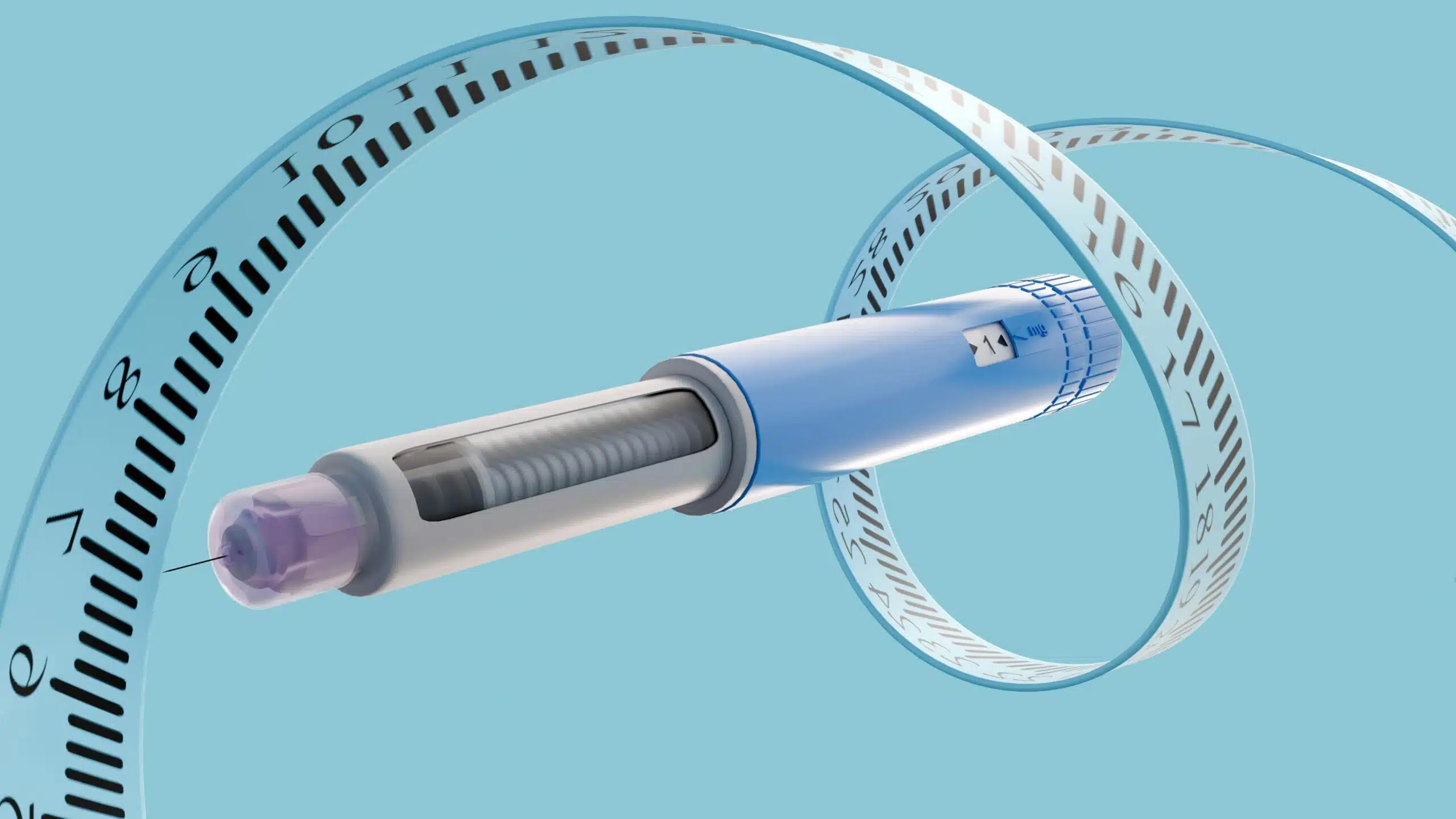
GLP-1 Side Effects and Muscle Health: What to Know Before Weight Loss Medications
If you’re considering GLP-1 weight loss drugs, you’ve likely seen dramatic success stories. However, you may also have concerns about fatigue, digestive issues, or losing strength along with body weight. These worries are valid and…
-

Spring metabolic health reset: how inflammation, insulin, and hormones work together
If spring has you craving a “reset,” you’re not alone. Seasonal shifts in energy levels, eating habits, physical activity, and sleep are common. If you’ve been dealing with fatigue, weight gain, stubborn body fat, or…
-

Unexplained Weight Gain and Fatigue in Midlife: Hidden Drivers Worth Testing
You meal prep, prioritize healthy eating, track your physical activity, and still watch the scale creep up. You cut fewer calories, add more steps, and your energy stays flat. If this sounds familiar, you are…
-
The Growing Need for Cognitive Wellness as We Age
As we grow older, maintaining cognitive health becomes vital to ensuring a high quality of life. With life expectancy rising, more individuals are looking to preserve physical health, mental clarity, memory, and emotional stability. Bioidentical…
-

BodyLogicMD, BHRT, and Estrogen: Impact on the Sleep Cycle
Sleep is fundamental to our overall health, yet many women face sleep disturbances linked to hormonal changes. These disruptions are often exacerbated during key hormonal transitions such as puberty, pregnancy, perimenopause, and menopause. One of…
-

Battling Winter Fatigue: How BHRT Offers Relief
As the winter months continue, many individuals experience a noticeable shift in their energy levels and mood. This phenomenon, known as winter fatigue or seasonal affective disorder (SAD), can significantly impact one’s quality of life…
-

Midlife Metabolism and Men’s & Women’s Health in 2026
Entering midlife often brings fatigue, weight gain, sleep disruption, or mood swings. These changes can affect energy, focus, and motivation, but you are not alone. At BodyLogicMD, we focus on understanding these symptoms and creating…
-

How BHRT Can Help Middle-Aged Athletes Stay Active and Pain-Free: The Link Between Hormones and Joint Health
For many middle-aged athletes, sports like pickleball, tennis, golf, running, biking, and softball/baseball are more than just hobbies—they’re a way to stay active, socialize, and maintain a competitive edge. However, as we age, joint pain…
-

Personalized Care for Healthy Aging After 50
You may notice new symptoms in your 50s that affect daily life. Fatigue, weight changes, sleep disruption, mood shifts, memory loss, and reduced muscle mass are common concerns for older adults. You are not alone,…
-

The Cortisol Connection: Cortisol and Hormone Imbalance
Persistent fatigue, stubborn weight gain, mood changes, or irregular menstrual periods can feel discouraging. You are not alone. Many individuals experience the physical impact of chronic stress through shifts in the stress hormone cortisol. At…
-

Beyond Weight Loss: How GLP-1 Treatments Support Metabolic Health, Cardiovascular Risk, and Longevity
Feeling stuck with weight gain, sugar crashes, or rising blood pressure can be frustrating. You are not alone, and there are science-backed options to help you take a more preventive, root-cause approach. GLP-1 Treatments are…
-

Bioidentical Hormone Replacement Therapy and Sleep
Bioidentical hormone replacement therapy (BHRT) can improve sleep by addressing hormone imbalances in the body, particularly in cases where sleep disturbances are related to hormonal issues. Here’s how BHRT may positively impact rest: Hormone Balance…
-
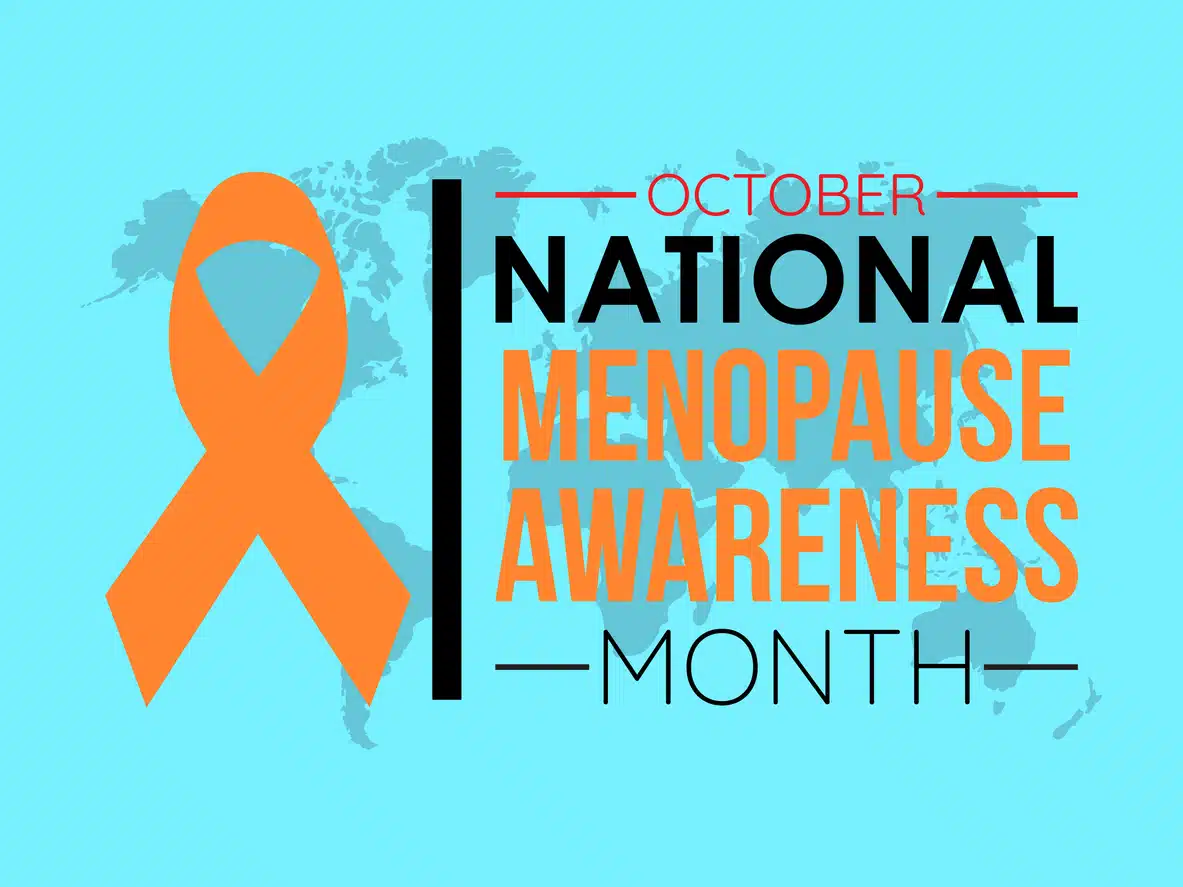
October Menopause Awareness Month: A Vital Conversation for Women’s Health
As the leaves turn and autumn settles in, October invites us to reflect not just on seasonal changes but also on the significant transitions in women’s health—specifically menopause. October marks Menopause Awareness Month, a crucial…
-

Lifestyle Changes To Make When You Are On BHRT
There are several lifestyle changes that may be recommended or beneficial when undergoing bioidentical hormone replacement therapy (BHRT). These changes can help optimize the effectiveness of BHRT and promote overall well-being. However, the specific lifestyle…
-

How Hormone Optimization and Anti-Aging Supplements May Support Energy, Metabolism, and Longevity
As we age, it’s common to notice shifts in energy, weight, mood, and overall vitality. You may feel like you’re doing “everything right”, eating well, staying active, managing stress, but your body just isn’t responding…
-

What Is BHRT Made From? A Comprehensive Guide to Bioidentical Hormone Replacement Therapy Ingredients
Bioidentical Hormone Replacement Therapy (BHRT) has gained significant attention as a natural alternative to traditional hormone replacement therapies. Many individuals seek BHRT to alleviate symptoms of hormonal imbalances caused by aging, menopause, and other health…
-

BHRT for Anti-Aging: Harnessing Hormones for a Youthful Edge
In the quest for longevity and vitality, bioidentical hormone replacement therapy (BHRT) has emerged as a significant player in the realm of anti-aging treatments. Tailored to mimic the body’s natural hormones, BHRT offers a promising…
-
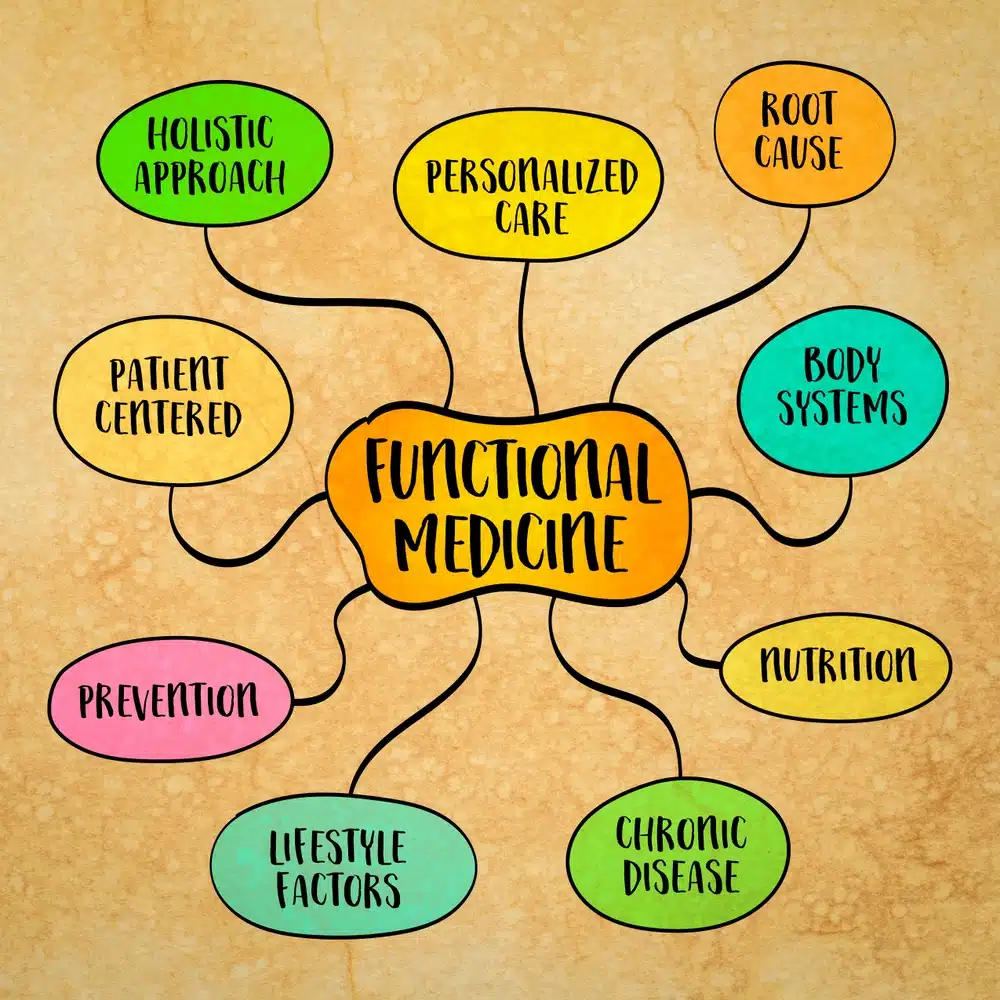
How Functional Medicine Focuses on Root Causes, Not Just Symptoms
Understanding Functional Medicine Functional medicine integrates systems biology into its healthcare approach. Emerging in the early 1990s, it differs from traditional approaches by focusing on what it sees as the root causes of chronic diseases…
-
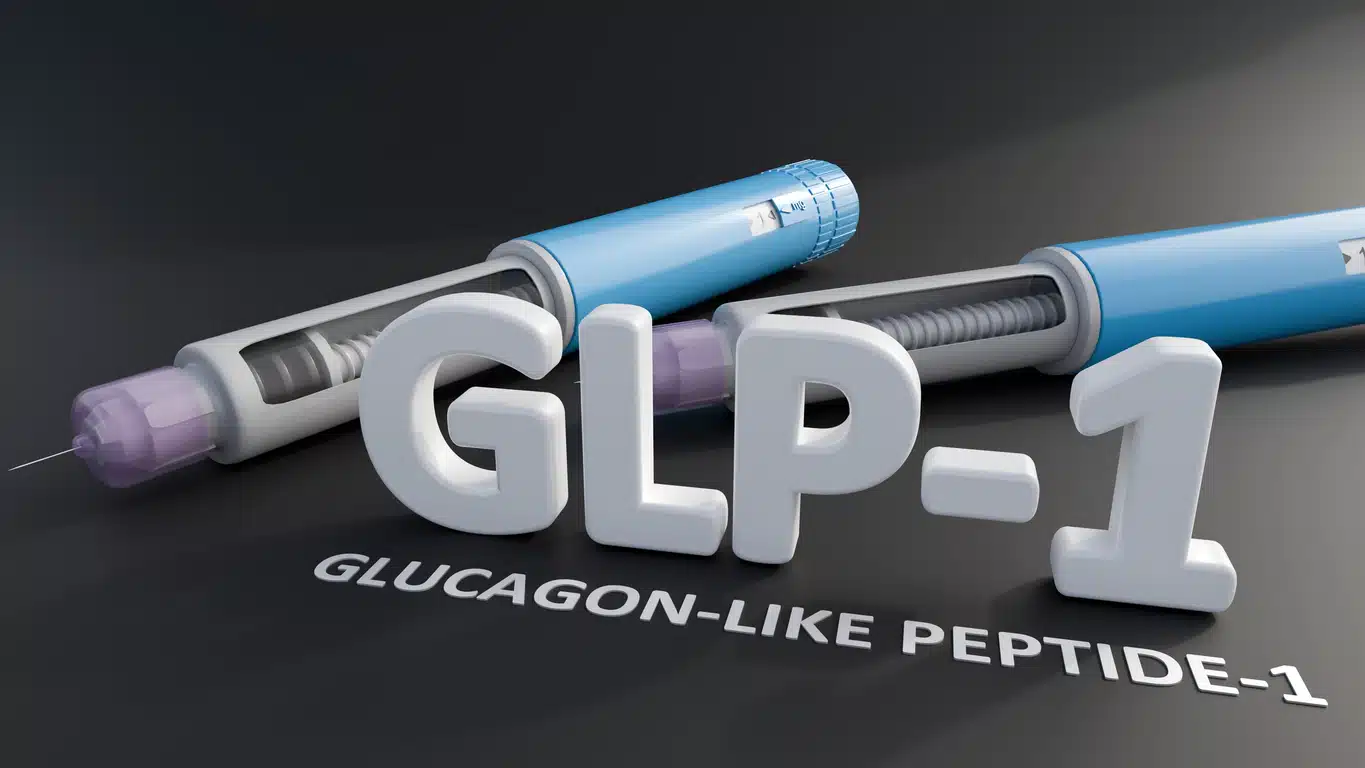
Who Should Explore GLP-1 Shots from BodyLogicMD?
GLP-1 (glucagon-like peptide-1) shots are a type of injectable medication used to treat type 2 diabetes. They work by stimulating insulin production and decreasing glucagon production, a hormone that raises blood sugar levels. While GLP-1…
-

Which Factors Can Cause ED?
Various factors can cause erectile dysfunction (ED), and hormone levels are just one of many potential contributors. The primary causes of ED can include: Is BHRT Right for Me? In some cases, ED may have…
-

Who Will Benefit Most from BHRT? Understanding the Ideal Candidates and Age Groups
Bioidentical Hormone Replacement Therapy (BHRT) has gained popularity as a treatment option for hormonal imbalances, particularly among women experiencing symptoms of menopause. However, BHRT may benefit a broader range of individuals beyond this demographic. Understanding…
-

How BHRT Can Improve Energy in Women Over 40
As women age, hormonal changes significantly affect their overall health, well-being, and energy levels. For women over 40, symptoms like fatigue, sluggishness, and lack of motivation are often linked to hormonal imbalances caused by menopause…
-

Comprehensive Checklist of Perimenopause Symptoms
Perimenopause, the transitional phase before menopause, typically begins in a woman’s 40s but can start earlier. It is characterized by fluctuating hormone levels, particularly estrogen and progesterone, leading to a wide range of physical, emotional,…
-

Does Nutrition Impact Brain Fog?
Yes, nutrition can significantly affect brain fog. Proper nutrition plays a crucial role in supporting optimal brain function, and deficiencies in certain nutrients can contribute to cognitive difficulties, including brain fog. Here are some key…
-

How BHRT Supports Joint Health and Reduces Chronic Pain
Joint health and chronic pain management are central to maintaining a high quality of life, particularly as we age. Millions of people experience joint discomfort, stiffness, or debilitating pain due to aging, injury, or chronic…
-

Beyond Hormone Balancing: Unexpected Benefits of BHRT for Uncommon Conditions
Bioidentical Hormone Replacement Therapy (BHRT) has long been recognized as a transformative solution for individuals dealing with hormonal imbalances associated with menopause, andropause, or thyroid dysfunction. While its primary purpose is restoring hormonal equilibrium, BHRT…
-

Is Pellet Therapy Suitable For Men? Exploring The Benefits And Considerations
Pellet Therapy, a form of hormone replacement treatment involving bioidentical hormone pellets, has gained attention for its effectiveness in managing hormonal imbalances. While often associated with women’s health, Pellet Therapy is also increasingly recognized as…
-
Bioidentical Hormone Replacement Therapy (BHRT) for Menopause: Alleviating Symptoms and Enhancing Well-being
Menopause is a natural phase in a woman’s life, typically occurring between the ages of 45 and 55, marking the end of reproductive capacity. This transition is accompanied by a significant decline in the production…
-

Is BHRT Right for You? A Comprehensive Checklist for Men and Women Over 40
Aging is a natural process, but the hormonal changes that accompany it can sometimes feel anything but natural. For many men and women over 40, symptoms such as fatigue, weight gain, mood swings, and reduced…
-

The Link Between Brain Health and BHRT: Can Hormone Balance Keep Your Mind Sharp?
Maintaining brain health is essential for overall well-being, especially as we age. While many people focus on diet, exercise, and brain-training activities to support cognitive function, hormone balance is often overlooked. Bioidentical Hormone Replacement Therapy…
-

Starting BHRT Before Menopause: A Proactive Approach to Hormonal Health
Bioidentical Hormone Replacement Therapy (BHRT) is a powerful tool in managing hormonal imbalances that occur with aging. Many women assume that hormone therapy is only necessary once menopause has fully set in. However, starting BHRT…
-

A Comprehensive BHRT Checklist for Men: Everything You Need to Know
Hormonal imbalances can significantly impact men’s quality of life, leading to symptoms like fatigue, low libido, mood swings, and reduced muscle mass. Bioidentical Hormone Replacement Therapy (BHRT) has emerged as a promising solution for men…
-

Exploring the Medical Conditions Treated with BHRT
Bioidentical hormone replacement therapy (BHRT) has emerged as a groundbreaking approach to addressing hormone imbalances in both men and women. Utilizing hormones that are chemically identical to those produced by the human body, BHRT offers…
-

Why Choose BodyLogicMD for Bioidentical Hormone Replacement Therapy (BHRT)?
Hormonal balance often plays a crucial role in the journey toward optimal health and vitality. Hormones act as the body’s messengers, influencing everything from mood and energy levels to metabolism and overall well-being. However, as…
-

Beating the Winter Blues: How BHRT Can Support Mood and Energy During the Darker Months
As the days grow shorter and temperatures drop, many people experience a noticeable change in their mood and energy levels. For some, the darker months bring a sense of melancholy, lethargy, and lack of motivation—a…
-

Revitalize Your Day: How BHRT Boosts Energy Levels and Fights Fatigue
Low energy and chronic fatigue have become all too common in today’s fast-paced world. Many people feel like they’re running on empty, struggling to meet daily demands. While external factors like stress, diet, and sleep…
-

The Process of Starting Bioidentical Hormone Replacement Therapy (BHRT)
Hormones are the body’s natural messengers, critical in regulating essential functions like energy levels, metabolism, mood, and reproductive health. As we age, hormonal imbalances can disrupt these processes, leading to symptoms like fatigue, weight gain,…
-

Turning Back the Clock: How BHRT Can Alleviate Symptoms of Aging for Women 50 and Beyond
Aging is a natural part of life, but it doesn’t have to come with a loss of energy, joy, or well-being. For many women, the years following menopause can bring unexpected challenges—such as weight gain,…
-

Understanding Hormone Imbalances and BHRT: A Comprehensive Guide by BodyLogicMD
Hormones are essential in regulating the body’s most important processes, from metabolism and mood to sleep and sexual health. However, as people age, their hormone levels fluctuate or decline, often resulting in symptoms that can…
-

Why BHRT is Better Than Synthetic Hormones: A Comprehensive Analysis for BodyLogicMD
Hormonal imbalances can significantly affect quality of life, particularly for individuals experiencing menopause, andropause, or other hormone-related conditions. While hormone replacement therapy (HRT) has long been used to address these imbalances, not all treatments are…
-

Empowering Women’s Wellness: The Role of BHRT Across Life Stages
Bioidentical Hormone Replacement Therapy (BHRT) has emerged as a significant topic in women’s health, offering a tailored approach to hormonal balance across various life stages. Understanding how BHRT can enhance women’s wellness empowers them to…
-
Understanding Perimenopause and How BodyLogicMD’s Bioidentical Hormone Replacement Therapy (BHRT) Can Help
Perimenopause, often referred to as the transition into menopause, is a natural biological process that affects women as they age. It typically begins in the late 30s to early 40s, lasting several months to a…
-

Bioidentical Hormone Replacement Therapy (BHRT) for Hormone Imbalance in Women: A Path to Wellness with BodyLogicMD
Hormonal imbalances can dramatically impact a woman’s physical, emotional, and mental well-being. As women age, their hormone levels naturally fluctuate, leading to uncomfortable symptoms that can disrupt daily life. Bioidentical Hormone Replacement Therapy (BHRT) offers…
-

The Link Between Depression and Weight Gain: How Semaglutide Offers Hope for a Healthier Mind and Body
Depression and weight gain are deeply intertwined, often creating a vicious cycle that can be difficult to break. Individuals struggling with depression may experience changes in appetite, decreased motivation to exercise, and a slower metabolism,…
-

Understanding Hormonal Changes and Their Impact on Women’s Mental Clarity
Hormonal changes significantly affect women’s cognitive health and mental clarity. Throughout a woman’s life, various factors such as pregnancy, perimenopause, menopause, and thyroid issues can cause significant fluctuations in hormone levels. These changes often lead…
-

Living Without Hormone Imbalance: How BHRT with BodyLogicMD Can Transform Your Life
Hormone imbalance can significantly impact your quality of life, affecting everything from energy levels and mood to weight and sleep. Fortunately, Bioidentical Hormone Replacement Therapy (BHRT) offers a promising solution to restore balance and improve…
-

Enhancing Hair and Skin Health with BodyLogicMD’s Comprehensive Approach
Healthy hair and skin are often considered signs of vitality and well-being. While many factors contribute to their condition, hormonal balance is crucial. BodyLogicMD offers a comprehensive approach to improving hair and skin health, focusing…
-

Enhancing Men’s Health: How BHRT from BodyLogicMD Can Solve Everyday Problems
In today’s fast-paced world, men are often juggling multiple responsibilities—from career demands to family obligations—leading to increased stress and a plethora of health issues. Many men experiencing symptoms such as fatigue, weight gain, mood swings,…
-

Bioidentical Hormone Replacement Therapy (BHRT) for Menopause: Alleviating Symptoms and Enhancing Well-being
Menopause is a natural phase in a woman’s life, typically occurring between the ages of 45 and 55, marking the end of reproductive capacity. This transition is accompanied by a significant decline in the production…
-

BHRT and Empowerment: Taking Control of Your Health
Navigating the complexities of hormone imbalances can be daunting, especially as you approach menopause or face other health challenges related to hormonal changes. Bioidentical hormone replacement therapy (BHRT) offers a promising solution, but understanding its…
